Aspirations
If you followed our trip to Japan last fall you already know that it was a life changing experieince for both Tracy and myself. Every day that goes past I find myself wanting to go back a little more and reflecting even more positively on that time. I'm not exaggerating when I say that it was the signle greatest travel experience I've had to date-which given that we travel quite a bit is a pretty bold statement. For some reason, typing that flashed me back to that Pulp Ficiton scene where Vincent is buying heroin from Lance and they talk about quality. I digress.
Anyhow, to address the title of this portion of the blog post while in Kyoto, Japan I was fortunate to have met a retired dentist from California who was shooting with a Leica digital camera and being the helpless extrovert that I am I, of course, engaged him about it. We got to talking about camera gear and I mentioned that I was thinking about going Medium Format, and specifically Hasselblad X2Dii. He mentioned that he actually has one and absolutely LOVES it. It allows him to be present in his artistic pursuits due to its streamlined interface and flawless ergonomics. We probably talked a total of 10 minutes on that palace tour and I deeply regret not giving him my business card so we could stay in touch. If you read this-know it meant a lot.
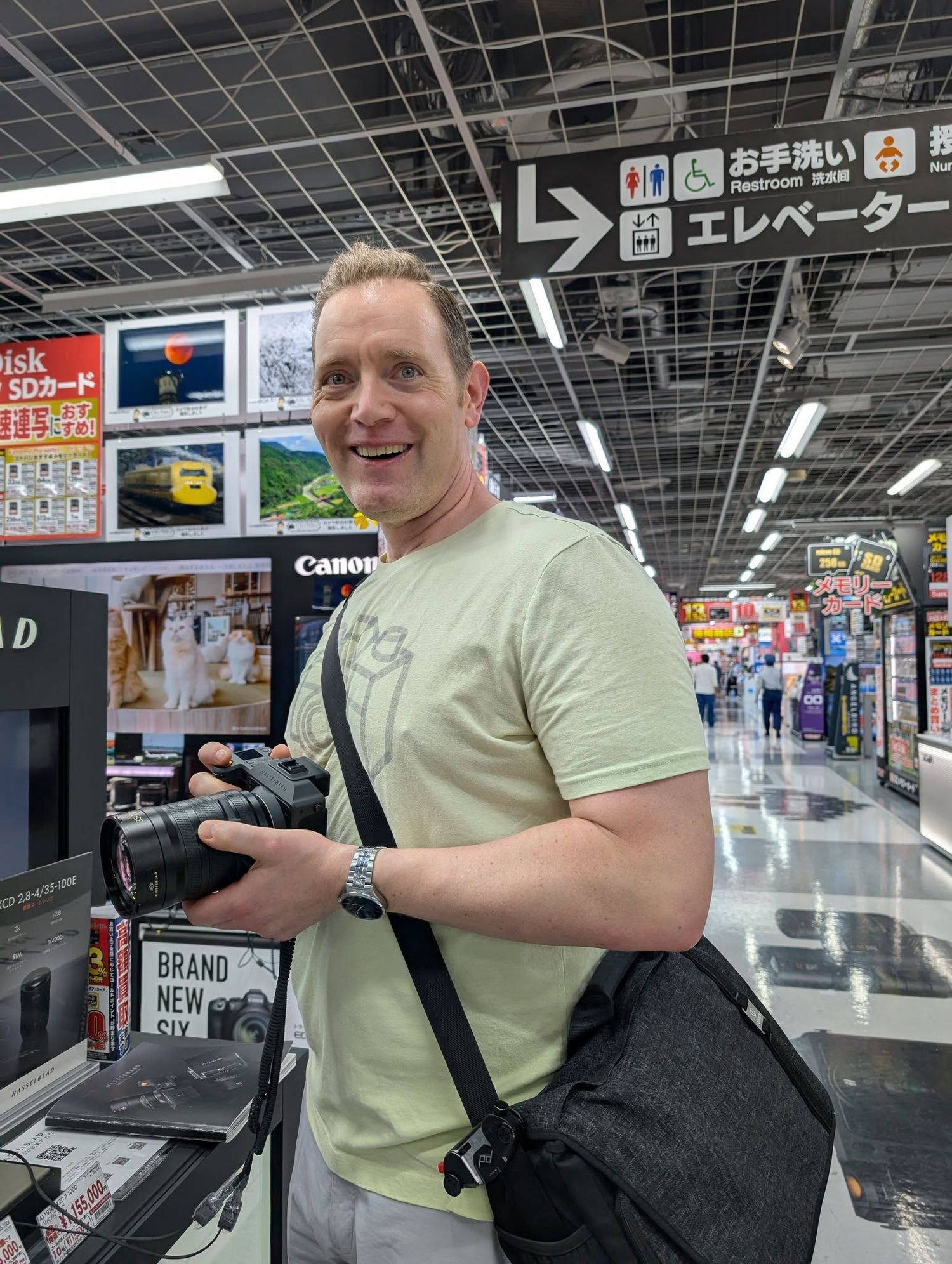
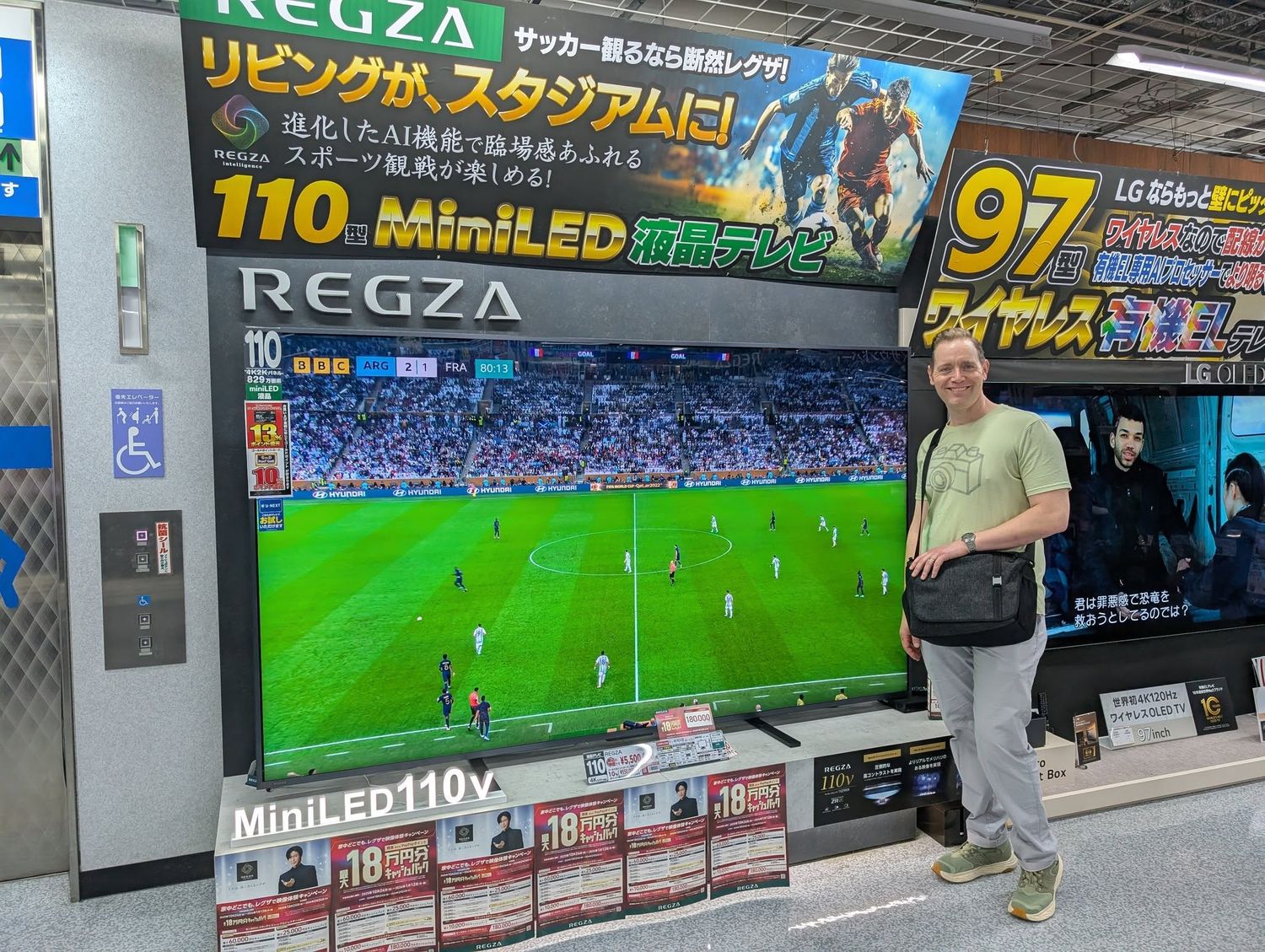
That basically planted the "Medium Format Seed" in my brain and if you saw our social feed later in the trip you know that we went to my personal version of Nirvana-Yodobashi Camera in Akihabara district of Tokyo. There I was able to actually get my hands on the wonderful Hasselblad X2Dii and the equally spectacular 35-100mm zoom lens. It became an obsession. I wanted one, nay, I NEEDED one and was determined to own one. While there I also (not seriously) entertained the idea of Fujifilm's GFX medium format cameras but found them to be lacking in both their autofocus performance, hand feel, and user interface. Upon returning home I binged youTube videos about it, HARD. Furthermore, and I'm not afraid to admit this, the Hassy was (and is) a status symbol. I felt like I've worked long enough and hard enough that I've earned the right to have a bougie camera. I'm not a (too) fancy car guy, watch guy, golfer, etc. so this is one area where I felt I could "treat myself" as it's realistic to believe I'll never own a Porsche, Rolex, or similar item. My mid-life crisis car came in the form of a Kia Stinger-which with 4 doors and a hatch is quite practical, thank you.
Reality
The paradoxical nature of aspirational things is that while they motivate you towards a goal their status, worth, and actual usability might be out of order. Let me explain as it relates to camera gear. For most people any modern (and for the sake of argument "modern" means anything post 2012-ish) digital camera has way more than enough resolution and dynamic range to satisfy all but the nerdiest of nerds (I'm pointing at myself here). When one takes in to consideration that the VAST majority of photos/images these days are consumed on a smartphone screen via social media the point of an "actual" camera becomes, seemingly, less important. If you take a few minutes to think about computational photograpy, filters, and AI based processing that your smartphone offers you could argue that there's even less need for a "real" camera.
All that said, taking images with a real camera can be a lot of fun. There's an art to it, if done correctly. There's a skillset to learn and you can build your individual "style" or "theme" and I can see that in the difference in how Tracy and I shoot photos. That's something that I think smartphone photography fails to offer. So the reason I'm harping on the phone photography is if one decides to take these photos from the realm of digital to the tangible and actually print these out that's where the "real" cameras start to pull ahead. The sensor size on your smartphone is tiny and when viewed on a small device everything looks fine. When printed at 8x10" or larger you start to see the flaws in their resolution and quality. For us, where we print some of the photos we shoot for wall art this becomes an important consideration.
I mentioned eariler in this post that modern cameras are sufficient in most cases and that's a statement I think is accurate. The images I shot in Japan were on my Sony A7R3, which for the uninitiated, are 42 megapixels. That's quite a few. At that resolution, and especially if one shoots in uncompressed RAW (I do not) you can chew up memory quite quickly with each file taking up 80 to 85 MB of storage. The A7RV I had for a while clocked in at 61 MP which filled the card even faster. The Hasselblad's X2Dii's resolution you ask? 100 MP. The uncompressed 16 bit file sizes? 200 to 214 MB. Seriously 5 files to a GB, wow. Now given that the bit depth on a 16 bit file should allow for FAR more color combinations allowing for smoother gradients and more realistic color accuracy and that's a real thing. How real is that? I guess that's one of those things that's in the eye of the beholder. Personally, based on the files I've seen it's real enough but if it's $12,000 real enough-I'm not sure.
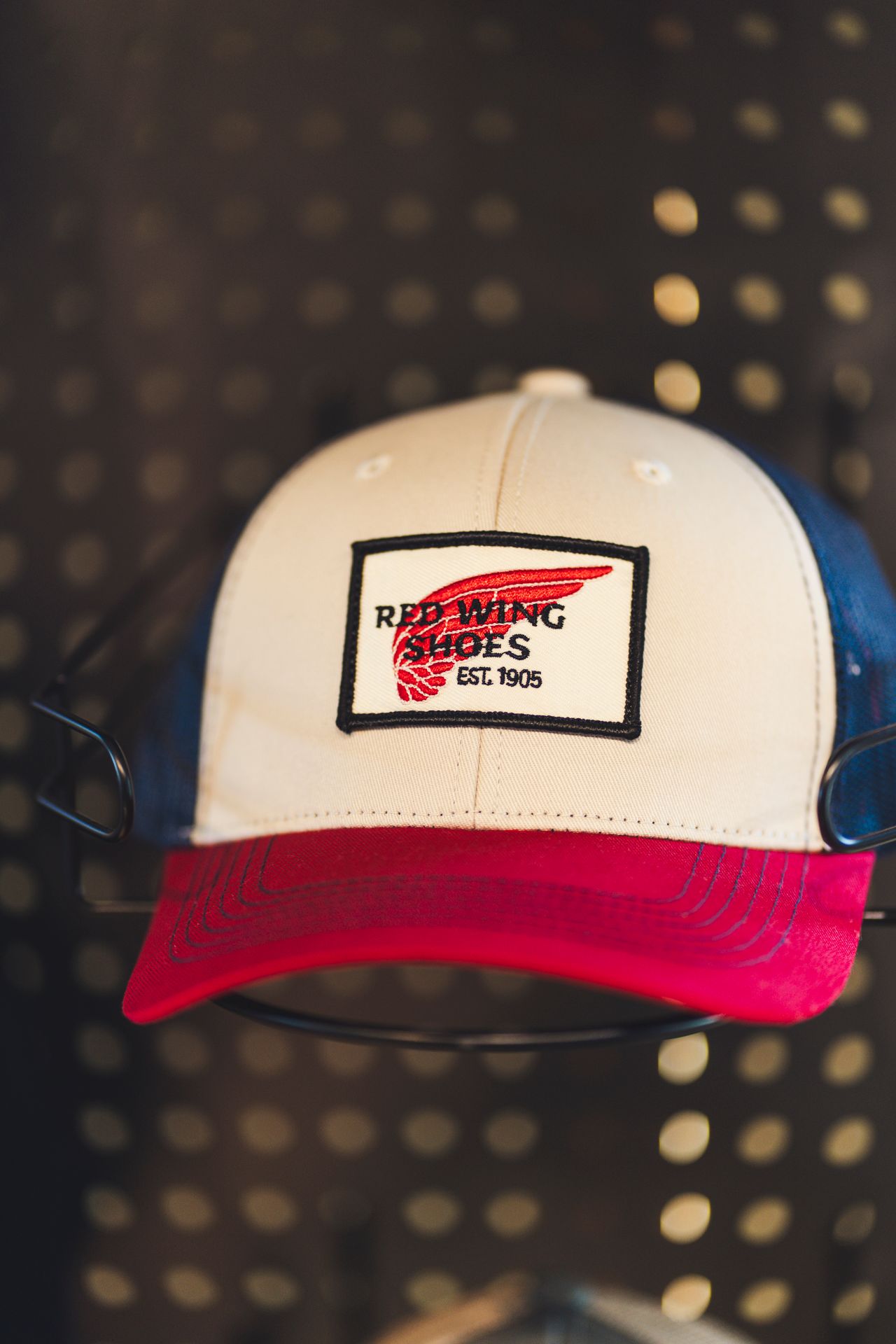
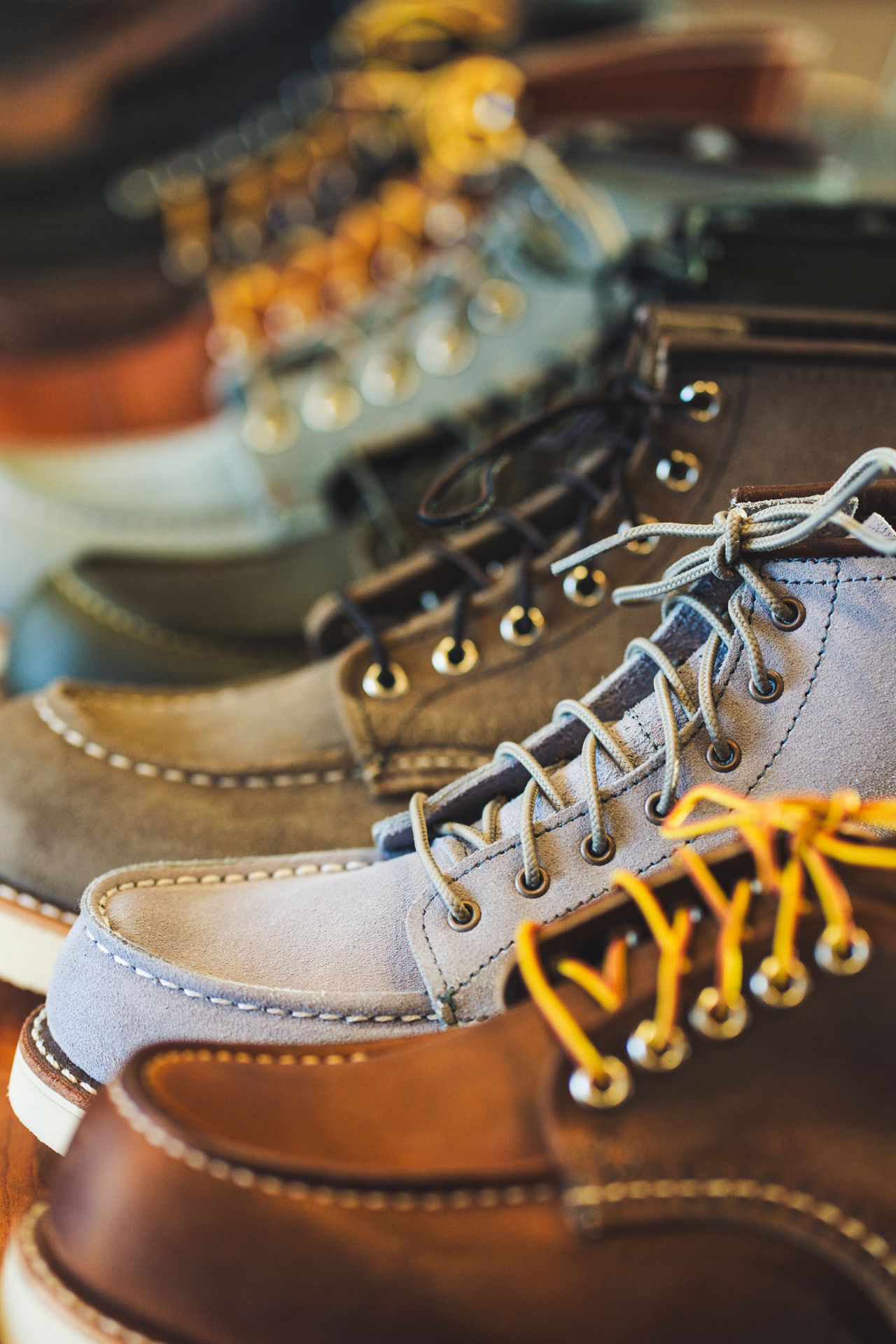
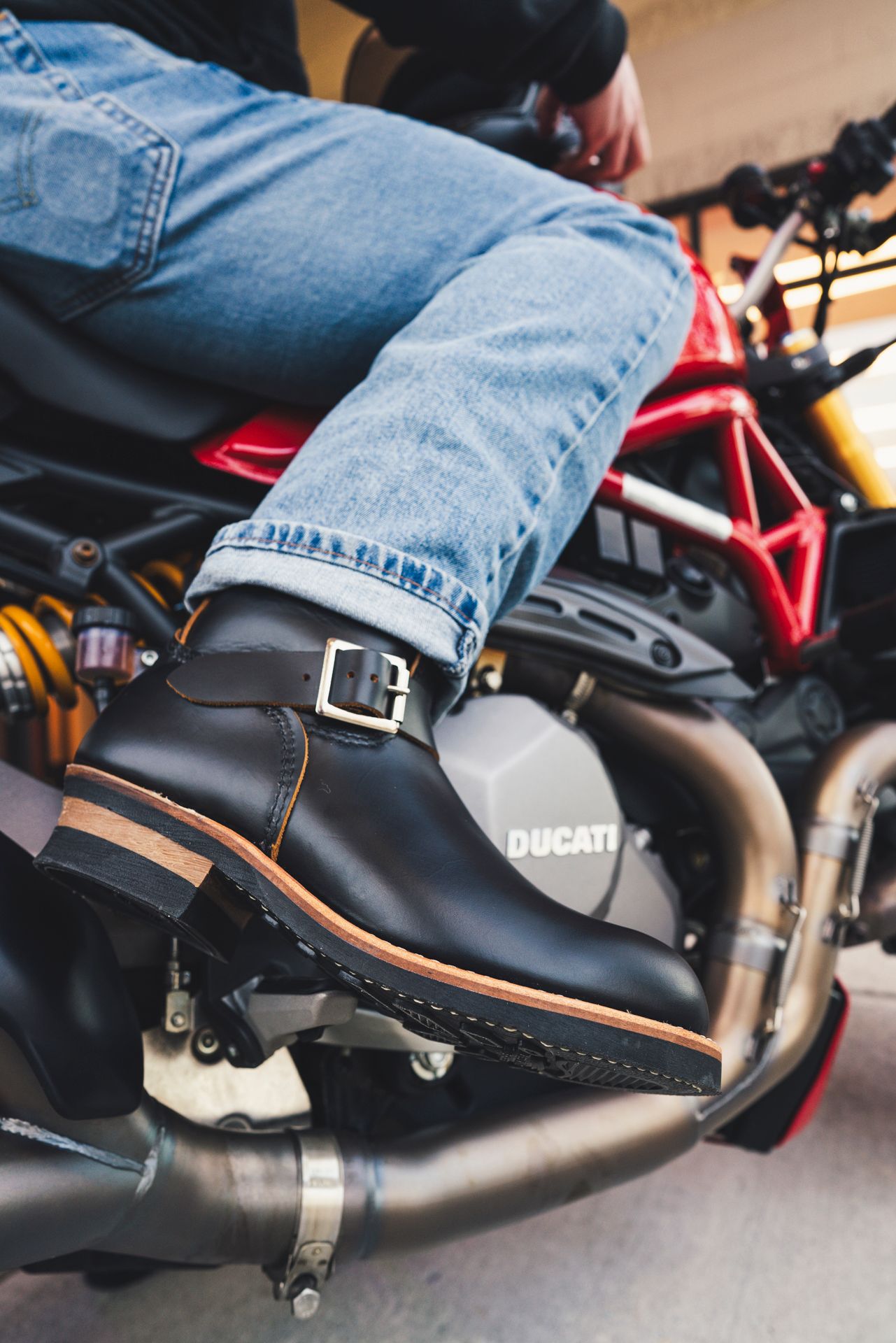
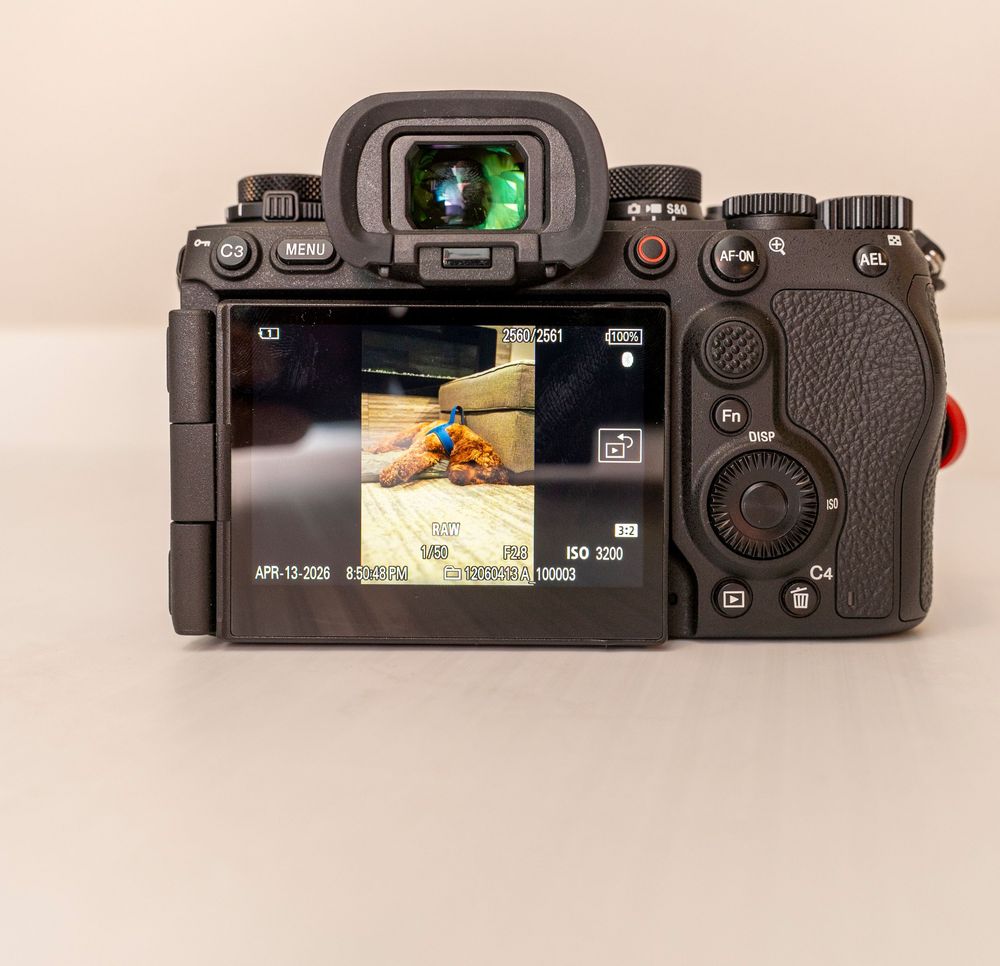
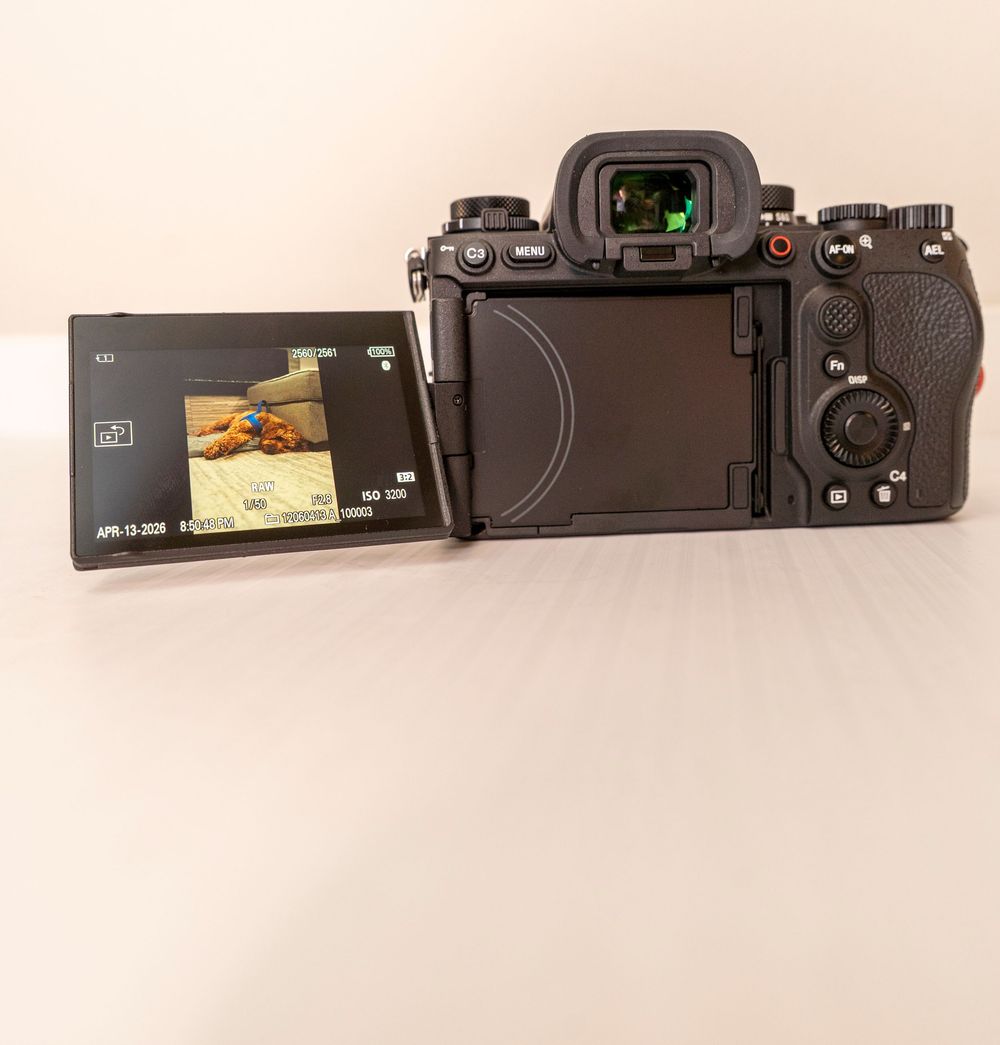
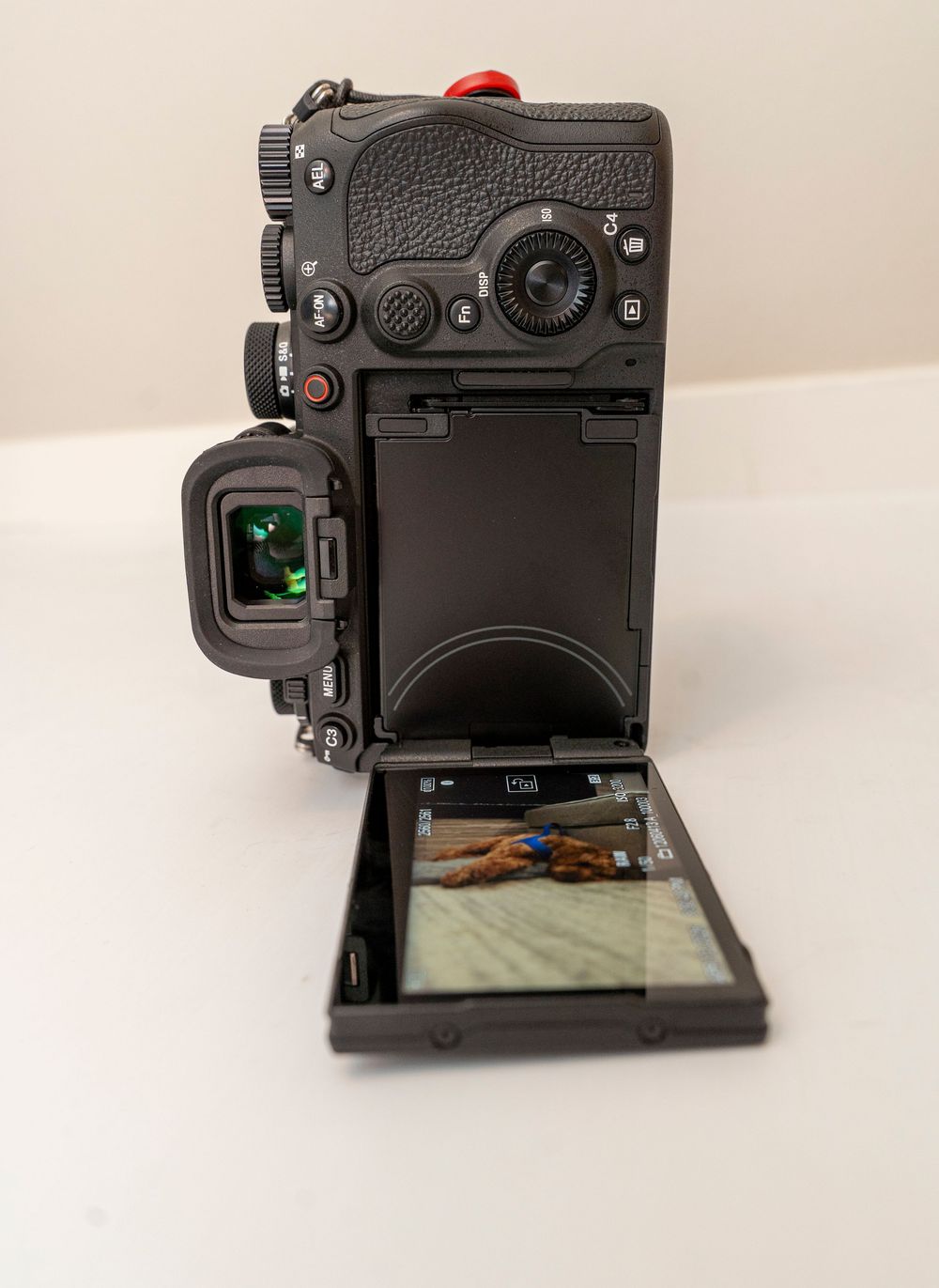
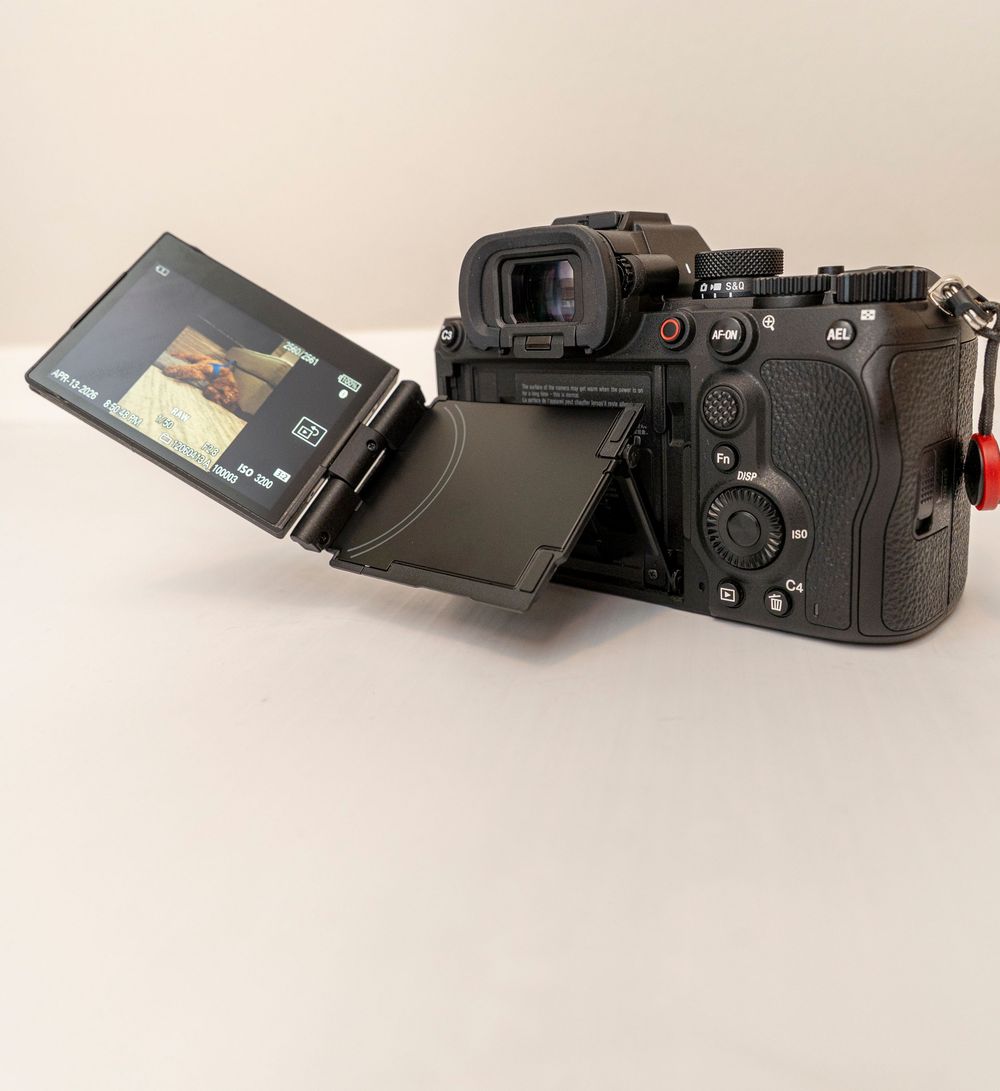
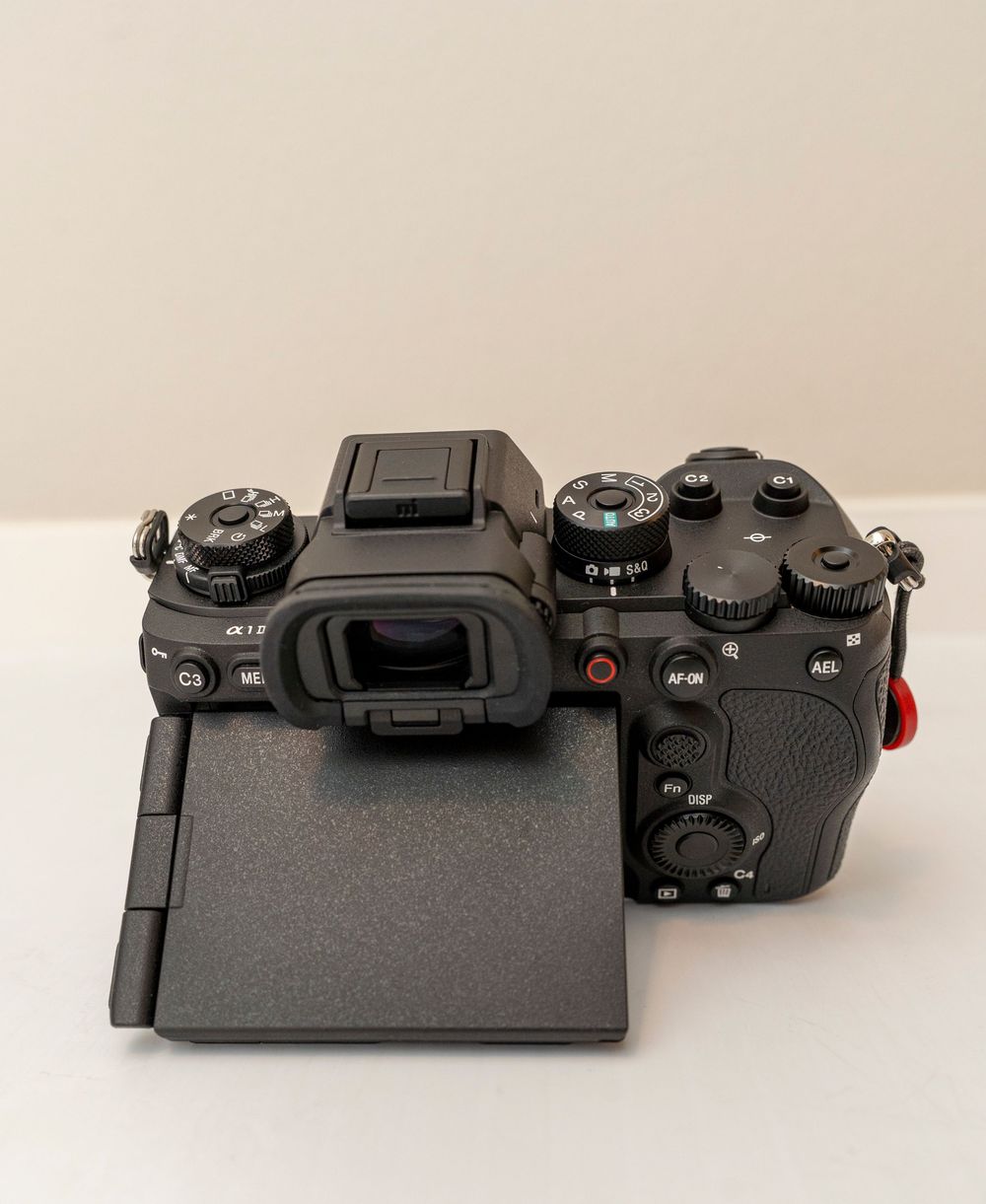
So it's at this point I should mention that I don't think I'm going to buy the Hasselblad and the primary reason is practical based on how I shoot-even though the $12,000 pill is a big contributing factor. What it came down to is the rear LCD screen. Yup, the rear screen. Granted the LCD on the X2Dii is an HDR screen (and OMG is the end to end HDR BEAUTIFUL) and now tilts down for a better viewing angle. It doesn't, however, tilt for portrait/vertical orientation. Competitors from Sony, Canon, and Fujifilm (like their aforementioned GFX line) have a screen that either twists/rotates to do this or articulates in that direction. It kind of dawned upon me that this was going to be a limitation that I didn't want to try to overcome. I was shooting an event for our local Redwing boot store when it sort of smacked me upside the head. I found myself getting frustrated trying to compose vertical shots on the A7R3. Side note, the Beaverton, OR Redwing store is awesome and you should buy boots there. They're one of the only family owned locations I'm aware of and definitely one of the (if not THE) only in the PNW. That was enough to begin thinking of going a different way. As the halo effect of owning the Hasselblad began to clear other cons became apparent-battery life, lens cost and availability, and the fear of actually using such an expensive piece of gear out in the real world.

Requests
On that Japan trip you already know Tracy and I both took MANY photos and I even took a few good ones. She took lots of good and great ones. It provides me equal amounts of joy and satisfaction to know that she enjoys taking photos while on holiday.
In that spirit, when something is important to her she asks for it. As a non clairvoyant, I appreciate this gesture. We've now begun planning our 25th wedding anniversary trip (more on that in a future post) and the one of requests she's made for me was to stick with camera gear that we can share. Reason being? We have learned to travel lighter and that means that she doesn't need to carry extra gear/weight.
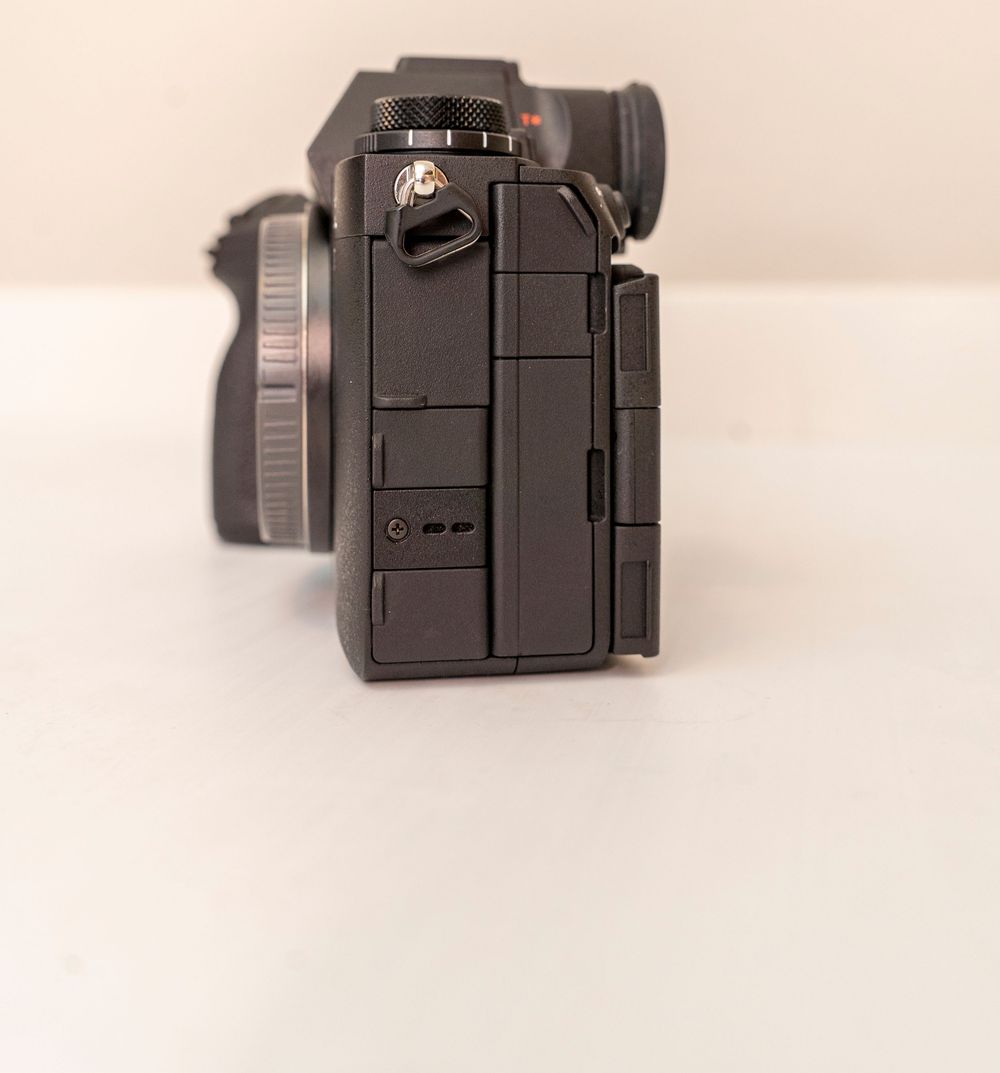
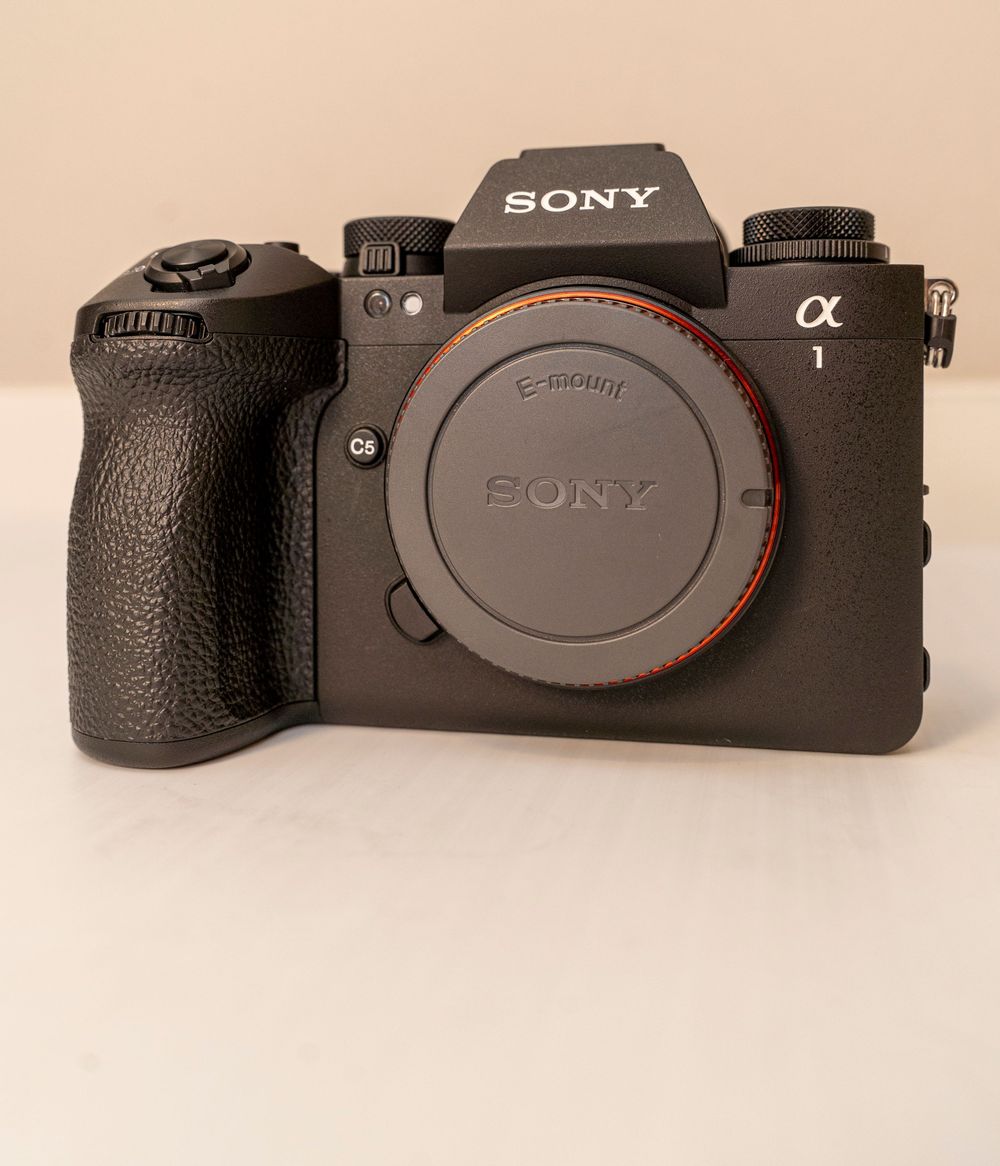
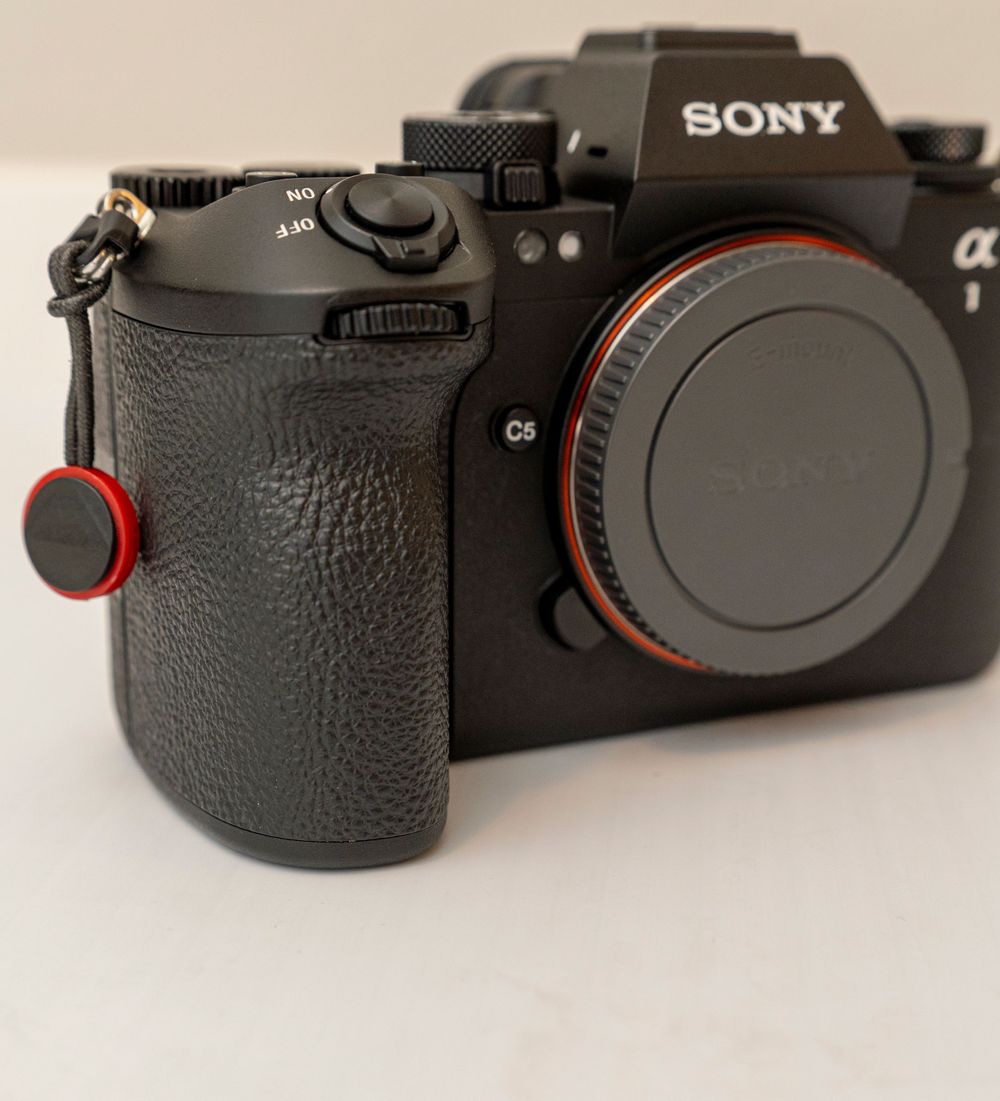
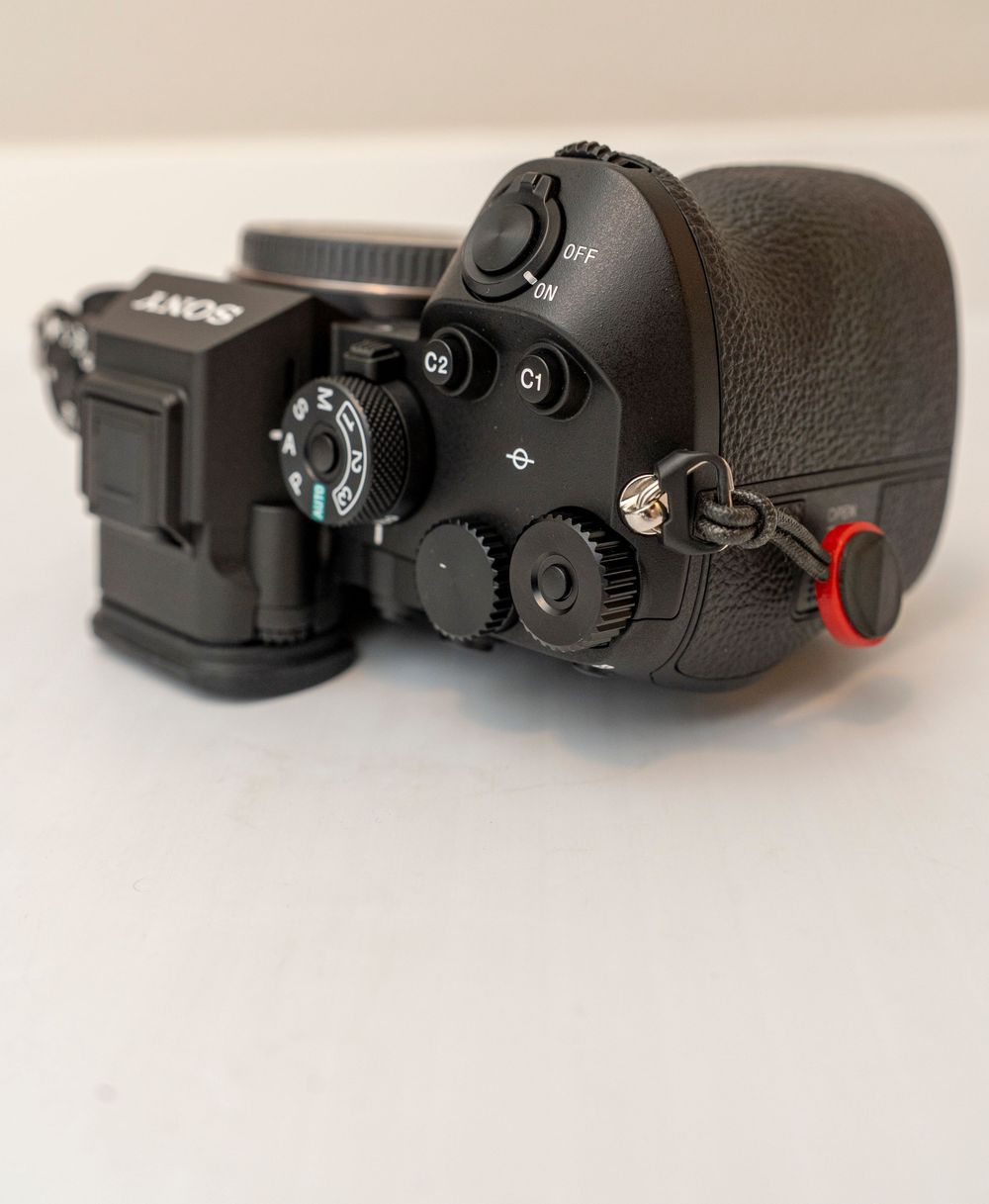
Medium format Hasselblad lenses WILL NOT operate on full frame Sony bodies (like Tracy's A7C) and vice versa. The lens mounts are different, sensor sizes are different, and the actual shutter on the Hasselblads are in the lens-known as a leaf shutter. Hmmmmm. What to do? Well, the answer was unintentionally revealed to us when visiting B&H Photo in NYC back in January. Great store. Yodobashi camera in Japan is still the best but B&H is my favorite American camera store. Anyhow, I was chatting with the guy at the Sony desk before heading over to drool on the Hasselblads (have you seen about 907x!?!?)the newly released A7V and I picked it up to check it out. He mentioned that it featured the newer body style/grip from the A9iii (their speedy sports/wildlife camera) and the A1Mkii (Sony's flagship camera). Felt really good in the hand and I liked the fact it had actual control dials that weren't buried in menus. Not quite the same as the Hasselblad but a definite step in the right direction.
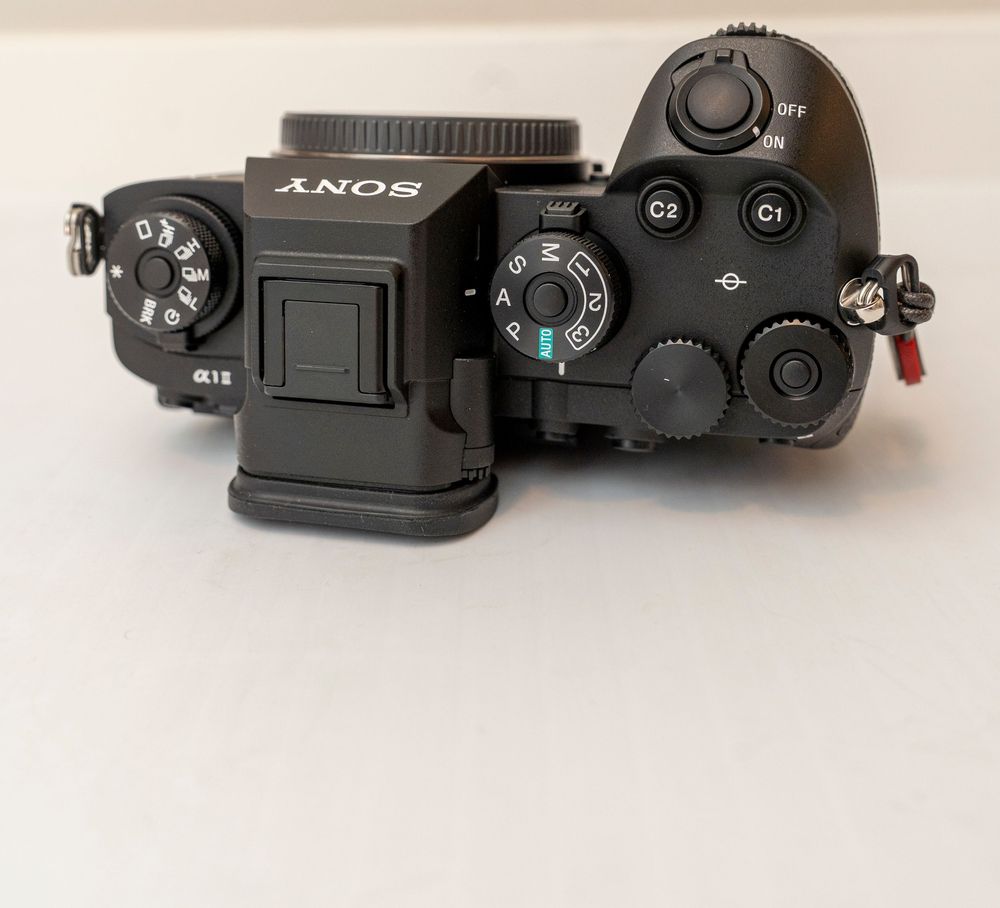
So if the screen wasn't going to work and I didn't need 100, or even 61 MP what was the solution? Sony, as luck would have it, seems to make a camera for every conceivable scenario and use case. For mine it seems the goldilocks solution was the A1Mkii-their current "flagship" camera. On paper this unit doesn't seem to be much better/cheaper than the Hasselblad and it's not. Where the difference lies is in lenses and reality. For one, Sony has VAST array of beautiful, first party, glass. This includes normal lenses like the superb 85mm 1.8 that Tracy has decided she loves, interesting weirdos like the 12-24G, and travel savants like the 16-25G. Beyond that, there are third party winners primarily from Sigma and Tamron that offer fantastic value for money which often equal or rival their Sony counterparts. We own the Tamron 20-40 F2.8 that practically lives on Tracy's A7C and the Tamron 28-200 that I took MANY of our Japan photos with. I've previously owned the Tamron 28-75 and if you could only own a single FE mount lens I'd suggest that one. I've used the Sigma 35 1.4, 50 1.2, 24-70 F2.8 DG DN II, and the 70-200 F2.8 Sports-all of which are brilliant for hundreds less than Sony equivalents.
The other realistic consideration is that I LOVE a good bargain and there really isn't much of a used market for the Hasselblad as yet nor have I found a place to buy one refurbished. With Sony, however, my obsessive researching and web surfing years ago unveiled at Secondipity (which I believe is Sony's "official" refurbished HQ). They had recently begun selling a handful of factory refurbished A1Mkii cameras for a whopping 28% off MSRP (that's about $2k if you're keeping score). I also know that Secondipity has an eBay store. Furthermore, I know that eBay allows you to get 1x Rakuten points (which translate in to American Express Membership Rewards Points) and combine that with the 2x everyday points I get from my new Capital One Venture card (that immediately hit the spend threshold for the 75,000 bonus points) it all worked out to a pretty solid bargain for less than half the all-in cost of the Hasselblad.
To wrap up, I feel like I made both a prudent and practical choice that's going to yield a camera that is well beyond what I realistically need so I shouldn't outgrow it. Will I buy a Hasselblad someday? Who knows. If they ever make a version with a fully articulating screen, probably-because I seem to be wired to always chase perfection in all things gadget related.